
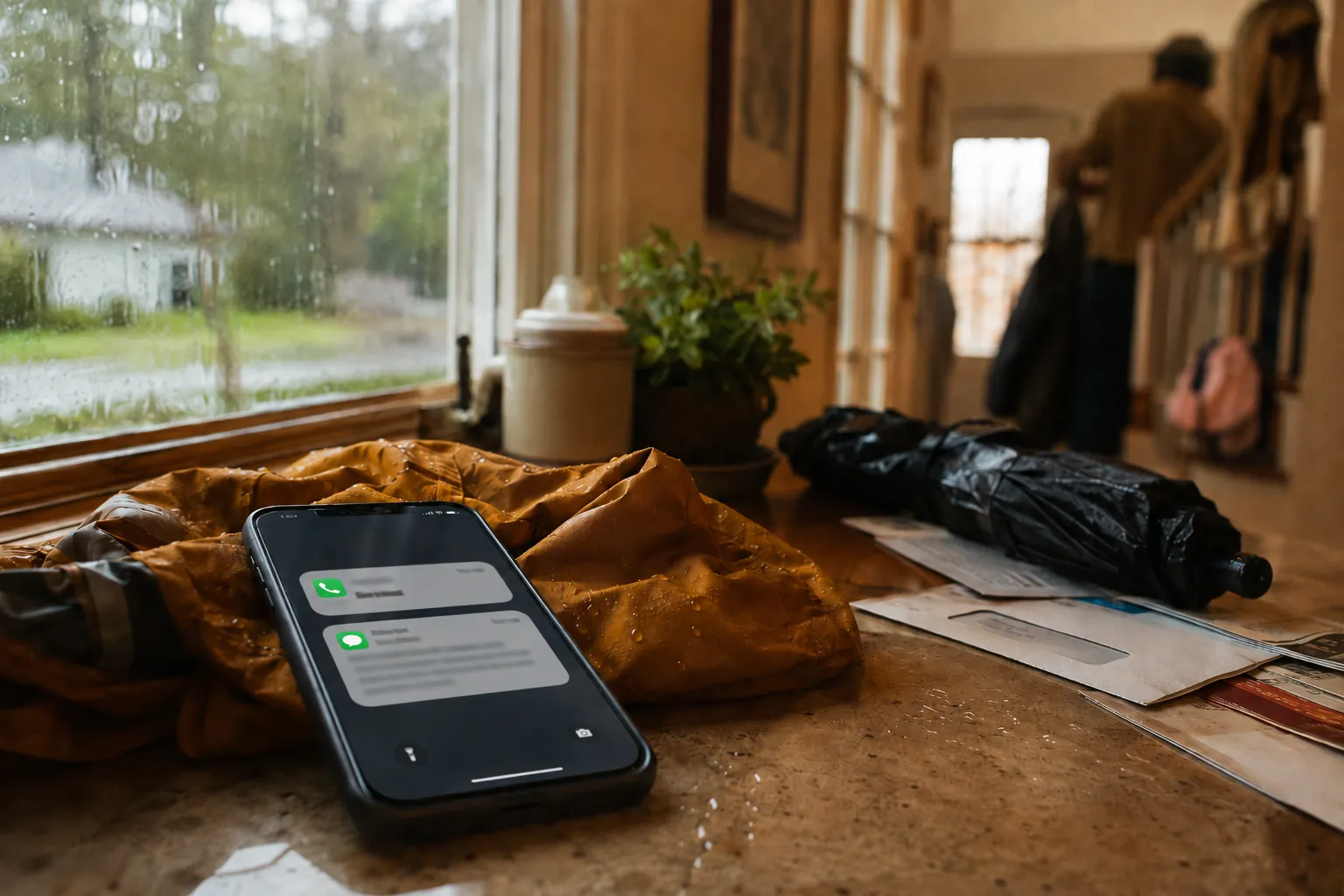
The morning after the storm you open the voicemail app and find four messages, then scroll the call log and see a lot more missed calls than that. A couple of the numbers show up three times in ten minutes. Match numbers and times to find the callers who left nothing, and keep the repeats together so one nervous homeowner does not look like three jobs.
A missing voicemail does not tell you what the caller wanted or whether they hired someone else. A short text can ask what happened and whether they still need a callback.
Check your own voicemail pattern
Mark which callers are storm leads with a damaged roof and which are past customers with a routine question. Count who left a message, replied to a text and received a human callback. Use that record to choose when to return calls, and keep in mind that a storm caller with water inside may not be able to wait the way a repeat customer can.
One r/Roofing commenter wrote: "When I'm busy I get so many calls I only call back the ones willing to put in the effort to at least leave a VM or text, anyone that doesn't usually isn't as serious about getting something done anyway." On that rule, a homeowner who hangs up from under a drip may never hear back, and a text-back gives that caller another way to say what happened.
Why owners are quick to let calls ring out
A storm brings a pile of unknown numbers all at once, and spam may have taught some owners to be hard on those. One r/Roofing commenter wrote: "...because we get spammed now from so many ai bots from companies trying to sell us marketing. My business phone number is almost worthless now..." Another wrote: "I probably have half of all the avaliable [sic] phone numbers blocked on my phone from the ridiculous amount of spam marketing calls I get." With habits like these, a homeowner's first call may get lumped in with the spam.
A person shopping for a roof described the other side in a Reddit comment: "One thing that drives me nuts is they don't respond to emails even after couple [sic] days. ..." The commenter was writing about email, but a storm customer waiting on any reply is in the same spot. Check both your missed-call log and your unanswered email queue before choosing what to fix first.
What replaces the voicemail box
Safety comes before any intake question. Callers should stay off the roof. If water is coming through a light fixture, near outlets or through a sagging ceiling, they should leave that room and turn the power off only if it is safe to do so. For a downed power line or a tree through the house, the first call is 911 or the utility, not the shop. The text from the shop comes after that.
SvarKlar removes the choice a caller has to make between waiting through a greeting or hanging up. When a call comes in and nobody can grab it, SvarKlar texts that caller back within seconds, a real reply instead of a beep. It asks what happened to the roof and how urgent it is, right there in the text thread, no callback required from the customer at all.
That single change moves the whole interaction. Instead of hoping a stranger records a message and waits for a callback that might come tomorrow, she is already telling you about the leak in real time, in writing, while she is still standing under it. The lead that used to vanish into an empty voicemail box turns into a text conversation you can act on the moment you look at your phone.
For calls that land overnight, see catching the storm-night call. For the written reply setup, see how SvarKlar works.
Compare missed calls with voicemails and replies. That tells you who still needs a callback after the storm.
Want to see how it would handle your crew’s missed calls? Book a call or see how the service works.
More guides like this are collected in the roofing resource hub.